· 4 min read · Jason Bittner
404 Nostalgia Not Found: Websites We Loved and Lost
Ah, the Internet of the early 2000s. It was clunky, colorful, and full of promise. Websites blinked, sparkled, and proudly displayed hit counters like digital merit badges. There were no sleek user…
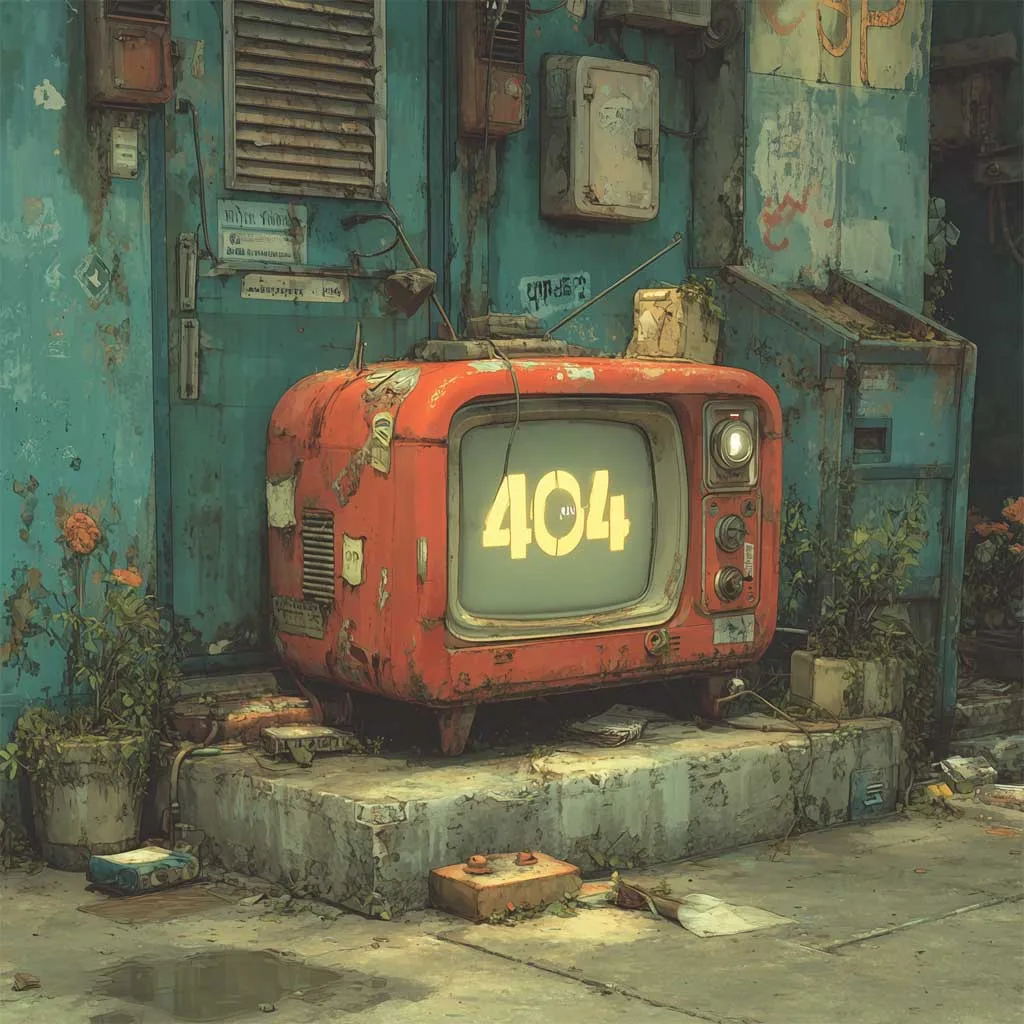
Ah, the Internet of the early 2000s. It was clunky, colorful, and full of promise. Websites blinked, sparkled, and proudly displayed hit counters like digital merit badges. There were no sleek user interfaces, no endless scrolls—just raw, unfiltered chaos. It was a glorious mess.
Now, most of it is gone. Or at least buried under the weight of a more polished, more corporate web. But if you were around back then, you probably remember your first brush with HTML, the thrill of customizing your MySpace profile, or the emotional rollercoaster of Neopets. This blog is a nostalgic walk through some of the most iconic (and sometimes cringeworthy) corners of the old web, and a look at how far we’ve come in terms of design, security, and user experience.
The Wild, Wild Web: A Time Before UX
In the late ’90s and early 2000s, there was no such thing as “user experience design” in the way we understand it today. Websites were a DIY playground. Want a rainbow background with Comic Sans text? Done. Autoplay MIDI music? Why not. It was the era of GeoCities, Tripod, and Angelfire—where every page was a love letter to fandoms, pets, or conspiracy theories.
Navigation? Optional. Consistency? Overrated. It was the closest the digital world came to a Renaissance fair: everyone was welcome, and no one knew what they were doing.
The Sites That Raised Us
GeoCities: Arguably the poster child of early web chaos, GeoCities allowed anyone to build a personal website. It organized pages into neighborhoods based on themes, like Hollywood, SiliconValley, or Area51. A neighborhood that fit your vibe. It was delightful.
Neopets: A gateway to HTML and addiction. The pet-raising site taught a whole generation how to code (so we could tweak our shop layouts) and also introduced us to concepts like inflation, capitalism, and disappointment (your Neopet is dying and you forgot to feed it for six months).
Ask Jeeves: Before Google dominated, we typed full questions into a search bar and hoped Jeeves, our fictional British butler, would serve up something relevant. He rarely did, but we appreciated the effort.
MySpace: It was Facebook before Facebook, but with glitter gifs, Top 8 drama, and the ability to add a music track that auto-played to scare anyone visiting your page. We were all accidental UX designers, learning what worked (and what crashed a browser).
Why It All Disappeared
The internet matured. And with that maturity came expectations: faster load times, responsive design, data privacy, accessibility. The old sites couldn’t keep up. And many didn’t need to.
GeoCities was shut down in 2009. Flash became obsolete. MySpace pivoted and imploded. And the modern internet became… cleaner. But also, a little less weird.
That weirdness, though, was instructive. It taught people how to build, break, and rebuild. It laid the groundwork for the platforms we use today.
From Glitter to Governance: The Evolution of Web Design


Modern web design is a far cry from the pixelated chaos of the past. Websites now have to do more than just exist—they have to convert, engage, inform, and protect. Here are a few key changes:
- UX/UI is now a career: What used to be a side effect of passionate website building is now an entire industry. Good design isn’t optional; it’s the price of entry.
- Security is serious: Remember when we’d just throw an email address up on a contact page with no spam protection? Today, SSL certificates, encryption, and GDPR compliance are just the beginning.
- Speed matters: Back in the day, people waited for dial-up. Now? If your site takes more than three seconds to load, bounce rates skyrocket.
- Mobile-first: Nobody was designing for phones in 2003. Now it’s the default.
- Accessibility: The web should be usable by everyone. Modern best practices include designing for screen readers, color contrast, keyboard navigation, and more.
Why Your Website Still Matters (and Can’t Be Treated Like a MySpace Page)
Despite the rise of social media platforms, your website remains the digital home base of your business. It’s where first impressions are made, leads are captured, and trust is built. Yet some companies are still treating their websites like a digital brochure from 2007.
That means:
- Slow load times
- Confusing navigation
- Outdated branding
- Broken forms
- Zero mobile optimization
In short, they're driving potential customers away. Nostalgia is fun, but your website needs to perform in the present.
So What Now?
We can look back on the old web with fondness, but we have to move forward with intention. Your business deserves more than a dated design or a neglected "About" page. It needs a digital presence that reflects your value, evolves with tech, and welcomes users with clarity and confidence.
Luckily, that's where we come in.
At Triple Helix, we don’t just build websites—we architect digital ecosystems that grow with your business. Whether you need to modernize a clunky legacy site or start from scratch, we’re here to help you embrace what’s next. Visit www.3xcorp.com to learn more. Let’s make your website one worth remembering—not for nostalgia, but for impact.
Tags
Ready to Transform Your Business?
Let's discuss how our data solutions and technology expertise can help your organization achieve its goals.
Get In Touch