· 5 min read · Triple Helix
Can Your Smart Home Be Hacked by a Teenager? (Spoiler: Yes)
Let’s set the scene. It’s 2:14 a.m., your lights flicker on, your smart speaker starts blasting polka music, and your thermostat jumps to 89 degrees. It’s not a software glitch or a horror movie—it’s…
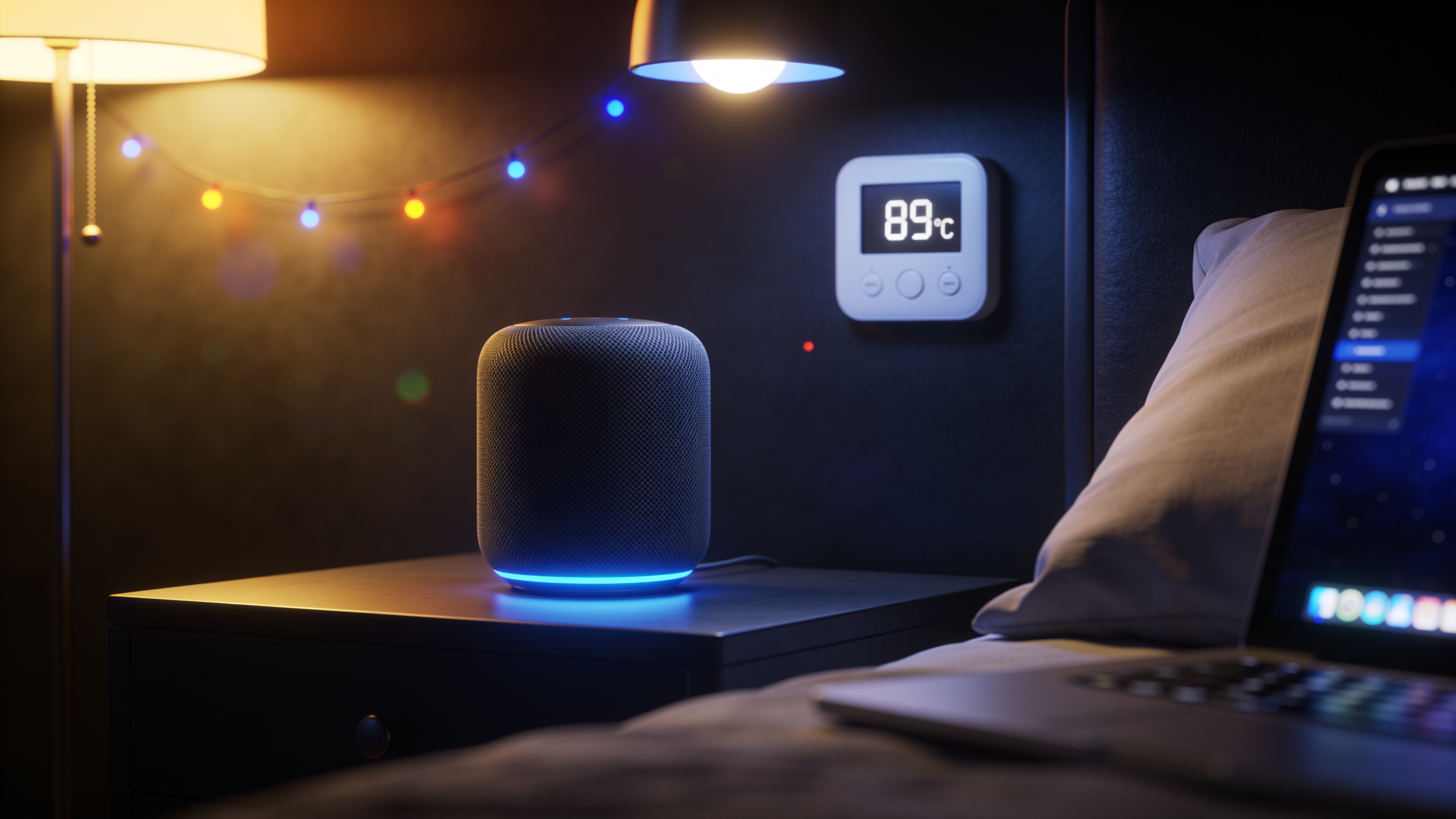
Let’s set the scene. It’s 2:14 a.m., your lights flicker on, your smart speaker starts blasting polka music, and your thermostat jumps to 89 degrees. It’s not a software glitch or a horror movie—it’s likely a bored teenager with a laptop and a point to prove.
Welcome to the era of vulnerable smart homes.
The Comfort—and Cost—of Convenience
Smart homes offer undeniable convenience. You can unlock your door from work, ask your digital assistant to reorder paper towels, or set mood lighting for dinner with a single voice command. But the tradeoff for that convenience is exposure.
Each device connected to the internet is a potential doorway for bad actors, and unfortunately, many smart devices weren’t built with security as a top priority.
The result? Your doorbell camera, baby monitor, or smart fridge might be the weakest link in your digital defense. And the scariest part? It doesn’t take a career hacker to find that weak point. A quick YouTube tutorial or Reddit thread can offer enough guidance for a tech-savvy teen to breach your home’s digital fortress.
The Insecure Internet of Things (IoT)
The Internet of Things (IoT)—the catch-all term for internet-connected gadgets—is notoriously insecure. That’s largely because the race to innovate and push out new devices often skips the boring-but-crucial step: building security into the hardware and software from day one. Many smart home gadgets come with default usernames and passwords (admin/admin, anyone?), and users often never change them.
Some devices don’t support software updates at all, or stop receiving them just a year after release. That means even known vulnerabilities can go unpatched indefinitely. And unlike your phone or laptop, many smart devices don’t show obvious signs they’ve been compromised. A camera could be streaming footage to a stranger, and you’d never know.
Real-World Exploits: When Smart Gets Stupid
You don’t have to look hard to find real-world examples of smart home breaches. There have been countless stories of baby monitors being hijacked so strangers can speak directly to children.
Doorbells have been hacked to spy on homeowners or stalk delivery workers. One infamous case involved a hacker taking control of a smart thermostat and turning a home into a sauna until the owner paid a ransom.
In many cases, these weren’t elite hackers with endless resources—they were kids experimenting with widely available tools.
How Are These Attacks Even Possible?
Attacking a smart home doesn’t necessarily require breaking into a network like in a heist movie. It’s often as simple as:
- Scanning for devices with open ports (yes, they’re searchable).
- Logging in using default credentials that were never changed.
- Exploiting known vulnerabilities in outdated firmware.
In some cases, attackers don’t even need to target your home directly. If a cloud service connected to your device (like your security camera provider) is compromised, hackers might access your devices without touching your home network.
What’s Being Done—And Is It Enough?
The good news: awareness is growing. Some companies are starting to prioritize security by requiring password updates, enabling two-factor authentication, and pushing firmware updates. Governments are beginning to introduce regulations requiring basic protections in IoT devices. For instance, the UK passed a law requiring default passwords to be unique and banning weak ones entirely.
But enforcement is tricky, and the global market is flooded with cheap, generic smart devices that don’t follow best practices. Until regulations are widespread and enforced, much of the responsibility still falls on the consumer.
How to Fortify Your Smart Home (Without a PhD in Cybersecurity)
Here’s how to defend your digital castle:
1. Change default usernames and passwords: Make them long, random, and unique for each device.
2. Enable two-factor authentication anywhere you can: We know 2FA can be annoying. But, it goes a long way in making sure you’re protected!
3. Keep devices updated: Even if it means replacing old gadgets that no longer receive security patches.
4. Segment your network: Use a separate Wi-Fi network for your smart devices so they’re isolated from your main devices.
5. Disable features you don’t need: Especially remote access. Check devices’ permissions and what data they collect. Disable any features you don’t need.
6. Invest in quality: A $20 smart plug might be a deal, but you’re often paying with your security.
The Ironic Reality: Teenagers Might Know More Than You
Here’s the kicker: many of the young people capable of hacking smart homes aren’t doing it to steal—some do it for sport, others to prove a point, and some just because they can. In fact, some teens are hired by cybersecurity firms as “white hat” hackers to help companies find and fix vulnerabilities before the bad guys do.
Still, that’s cold comfort when your baby monitor starts whispering lullabies from an unknown voice.
The Bottom Line
If you’re embracing the smart home lifestyle, you need to embrace smart security too. The risks aren’t hypothetical anymore. Every smart lightbulb, speaker, or door lock is a potential vulnerability, and it’s shockingly easy for the wrong person to exploit them.
Your home might not be interesting to professional hackers—but to a teenager looking for a thrill, you’re just another IP address on a long list. And if that’s not a reason to lock down your Wi-Fi-connected toaster, I don’t know what is.
For custom tech solutions that actually add value—not just flashy features—Triple Helix Corporation helps businesses make smart decisions with smart tech. Not every problem needs an app, but every system should be secure.
Tags
Ready to Transform Your Business?
Let's discuss how our data solutions and technology expertise can help your organization achieve its goals.
Get In Touch